

As we count down to Pearl Harbor Day, we’re looking back at the early signs of trouble in U.S.–Japan relations. This week’s excerpt from Diplomats & Admirals begins with Dean Acheson—where the first cracks began to show…
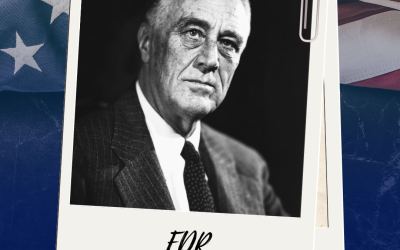
The Imperial Japanese Army landed troops in southern Indo-China on July 24, 1941, and President Roosevelt, the same day, ordered a freeze on Japanese dollar assets in US financial institutions. He proposed that all of Indo-China become a neutral state, similar to Switzerland, which would require the withdrawal of Japanese armed forces from Indo-China. The asset freeze was intended to be flexible and allow individual transactions, particularly purchases of oil, to be approved or denied, and in this way provide incentive for negotiations aimed at reversing Japan’s Indo-China occupation. The executive order provided for a committee to administer the freeze, and Under Secretary of State Sumner Welles appointed Assistant Secretary of State Dean Acheson to head the committee. For all practical purposes Acheson became the sole administrator. Welles ordered Acheson not to launch a total oil embargo on Japan.
Acheson came to this position, like Secretary of War Henry Stimson, with sterling educational credentials. He had schooled at Groton, Yale (Phi Beta Kappa), and graduated near the top of his class at Harvard Law School. From 1919 to 1921 he clerked for Supreme Court Justice Louis Brandeis. When he joined the Roosevelt administration in 1941 he had been in private law practice at the Washington law firm of Covington & Burling for twenty years except for a few months in 1933 as Under Secretary of the Treasury. Acheson was smart, self-confident, competitive, and belligerent. In two decades of high-powered legal practice for demanding, sophisticated clients he had learned how to achieve maximum benefits for them by pressing matters aggressively, and he brought those capabilities to deal with the asset freeze on Japan.
In the absence of a reply from Tokyo regarding Roosevelt’s proposal for a neutral Indo-China and Japanese withdrawal, Acheson began a total freeze on Japanese funds. This resulted in an effective embargo on the sale of oil, and this created a crisis in Japan. Japan imported almost all of its oil, and almost all of its oil imports came from the United States. In violation of Roosevelt’s policy and Welles’ directive, the hyper-aggressive Acheson used legal and other devices to ensure that funds from blocked dollar accounts were not released to complete any transactions, including purchases of oil. Acheson believed that pressure would force Japan to knuckle under to US demands. Roosevelt, returning in August from the Nova Scotia meetings with British Prime Minister Winston Churchill where they concluded the Atlantic Charter, was reluctant to appear to appease Japan by countering Acheson’s actions.
The consequences of Acheson’s pressure on Japan would play out over the next six months, and the ultimate result would be a cataclysmic confrontation between Japan and the United States.
 Diplomats & Admirals • Aubrey Publishing Co. LLC. • December 1, 2022 🛒🔗 Purchase Links: Amazon | Barnes & Noble | Kindle


0 Comments